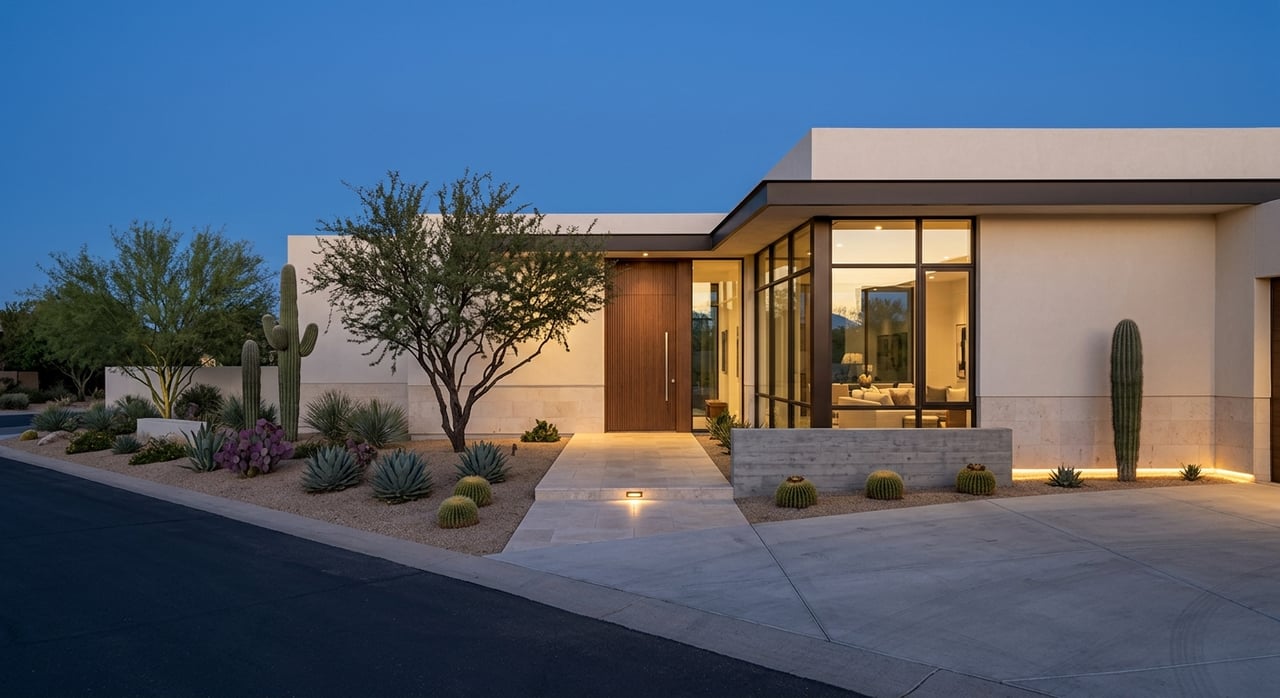
Wondering what daily life in Paradise Valley actually feels like? If you are considering a move, buying a second home, or simply trying to understand why this market stands apart, the answer starts with space, privacy, and a strong commitment to preserving the desert setting. Paradise Valley is not a typical suburb, and that is exactly the point. This guide walks you through the town’s character, housing, lifestyle, and trade-offs so you can decide whether it fits your goals. Let’s dive in.
Paradise Valley at a Glance
Paradise Valley is a small residential town in the Scottsdale-Phoenix metro with a population of about 12,523 people, according to the latest U.S. Census QuickFacts for Paradise Valley. With about 15.4 square miles and roughly 823 people per square mile, it feels much more open and private than many nearby communities.
The town’s current 2022 General Plan makes its priorities clear. Paradise Valley is designed to remain a premier, low-density residential community that protects the Sonoran Desert, preserves quiet neighborhoods, and maintains mountain views, dark skies, and public safety.
A Low-Density Desert Setting
One of the biggest reasons Paradise Valley feels different is land use. The town requires a minimum of one acre per residence in most cases, and its planning framework encourages preserving lots larger than one acre where possible, according to the town’s General Plan.
That policy shapes nearly everything you notice as you drive through the area. Instead of dense subdivisions or rows of similar homes, you see larger parcels, mature landscaping, mountain backdrops, and more distance between neighbors.
Why the town feels so private
Paradise Valley was intentionally founded to preserve a semi-rural residential community with limited commercial development and limited government, based on the town’s planning documents. That long-term vision still guides development decisions today.
For you as a resident, that often translates to quieter streets, more separation between homes, and a setting that feels curated rather than crowded. The town’s emphasis on open space and neighborhood character also helps protect the visual quality that draws many buyers here in the first place.
What Homes Are Like in Paradise Valley
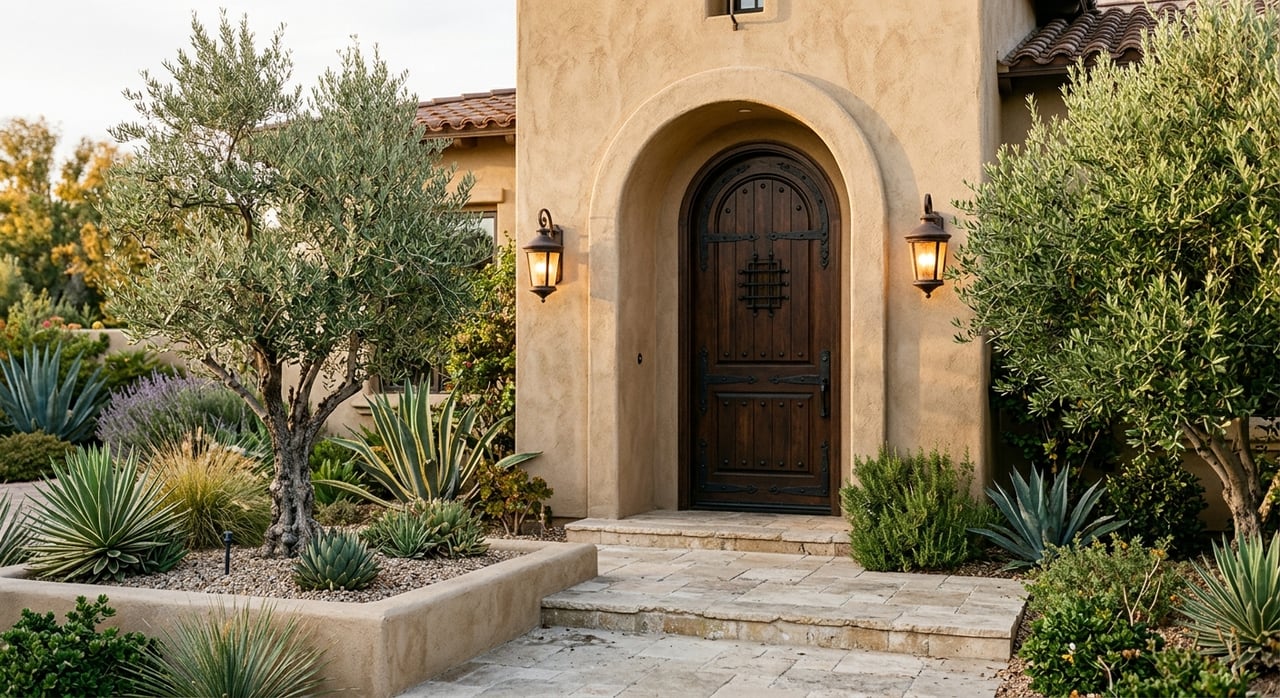
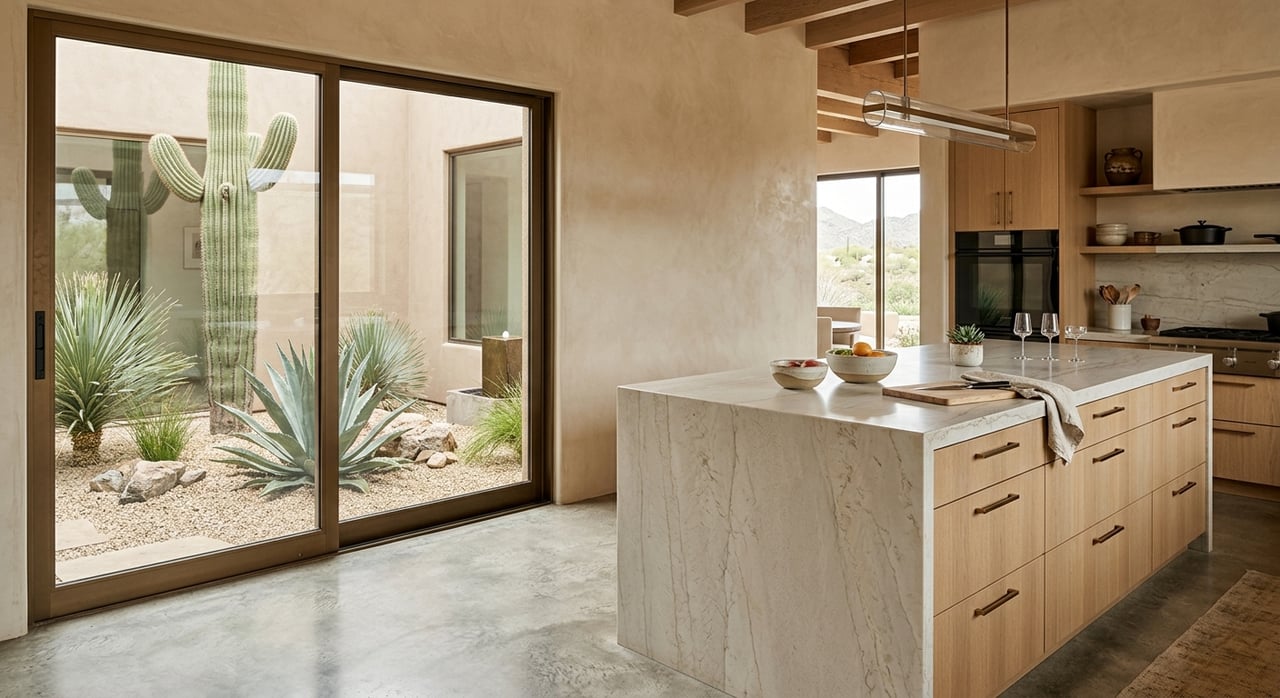
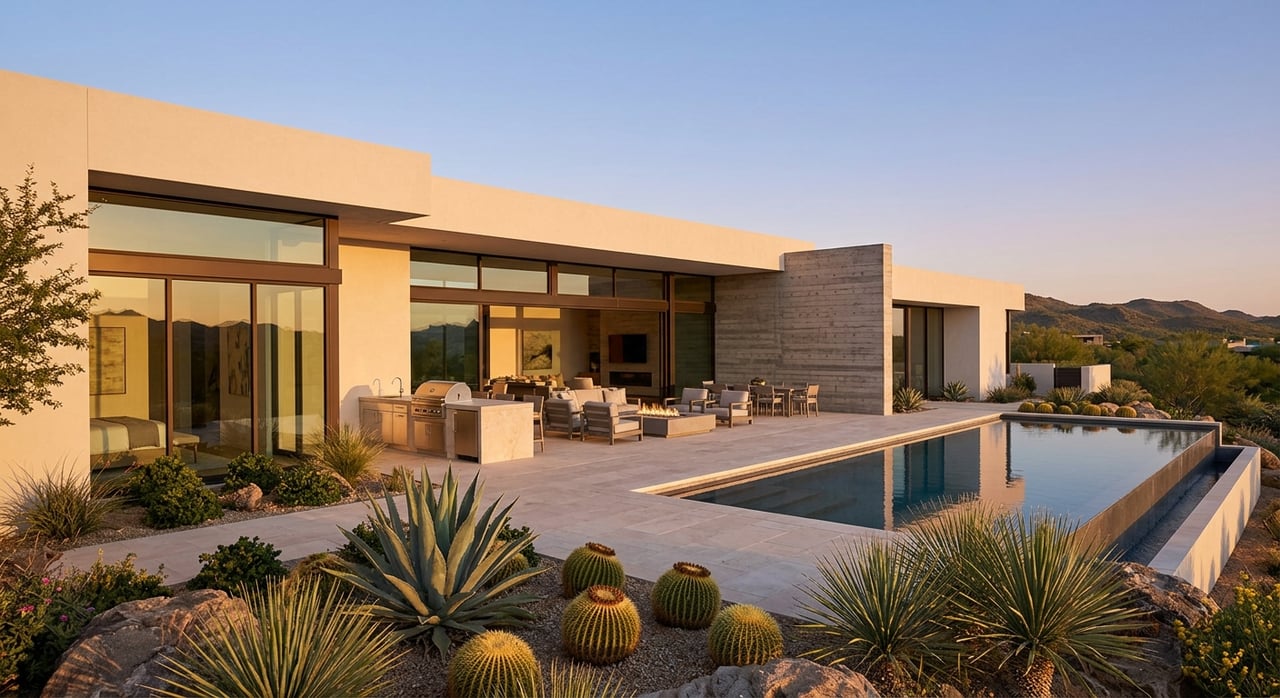
Housing in Paradise Valley is best described as custom, estate-style single-family living on large lots. The town’s planning documents note that the housing stock includes a wide range of architectural styles, but the overall pattern is consistent: distinctive homes rather than uniform tract development.
This is also a market with very limited supply by design. The town is largely built out, and the land use framework notes that limited undeveloped land remains, with many older homes being remodeled or replaced.
A market defined by ownership
Paradise Valley has a 95.0% owner-occupied housing rate, according to Census QuickFacts. That is a strong signal that this is primarily a long-term residential market rather than a high-turnover area.
The same Census source shows that 88.6% of residents lived in the same house one year earlier. While that is not a forecast, it does suggest a more established community where people tend to stay put.
Home values and carrying costs
Paradise Valley sits at the high end of the metro market. Census data lists the median owner-occupied home value at $2,000,000+, with median monthly owner costs of $4,000+ with a mortgage and $1,500+ without one.
For buyers, that means entry into Paradise Valley usually comes with a premium. For sellers, it reinforces why pricing, positioning, and presentation matter so much in a market where homes are unique and buyer expectations are high.
Daily Life Feels Scenic and Quiet
Paradise Valley is framed by Camelback Mountain, the Phoenix Mountain Preserve, and the McDowell Mountains, and the town highlights an average of 294 days of sunshine per year. That natural setting is a major part of daily life here.
You are not moving to Paradise Valley for an urban street scene. You are moving here for mountain views, desert light, larger lots, and a residential rhythm that feels more private and retreat-like than many surrounding areas.
Roads and movement around town
According to the 2022 General Plan, Paradise Valley has about 145 miles of paved roadway, and many local streets do not have curbs or sidewalks. The automobile is the primary mode of transportation, and Valley Metro provides only limited bus service.
That means the town is not conventionally walkable in the way a mixed-use district would be. At the same time, many residents value the low-volume, narrow, winding roads because they preserve the area’s scenic and semi-rural character.
Resort Access Shapes the Lifestyle
A unique part of living in Paradise Valley is how closely residential life connects to resort amenities. The town’s official resort list includes well-known properties like Camelback Inn, Mountain Shadows, Omni Scottsdale Resort & Spa at Montelucia, Sanctuary Camelback Mountain, Hermosa Inn, Andaz Scottsdale, DoubleTree, Scottsdale Plaza Resort, and SmokeTree Resort.
For residents, that means dining, spa access, event spaces, and hospitality amenities are woven into the local experience without turning the town into a heavily commercial environment. It is one of the reasons Paradise Valley feels both secluded and highly connected to luxury conveniences.
Outdoor Living Is Part of the Appeal
If you enjoy desert scenery, Paradise Valley gives you immediate access to one of the Valley’s most recognizable natural landmarks. Camelback Mountain sits right next to town and offers two extremely difficult trails with 1,420 feet of climbing and 360-degree views.
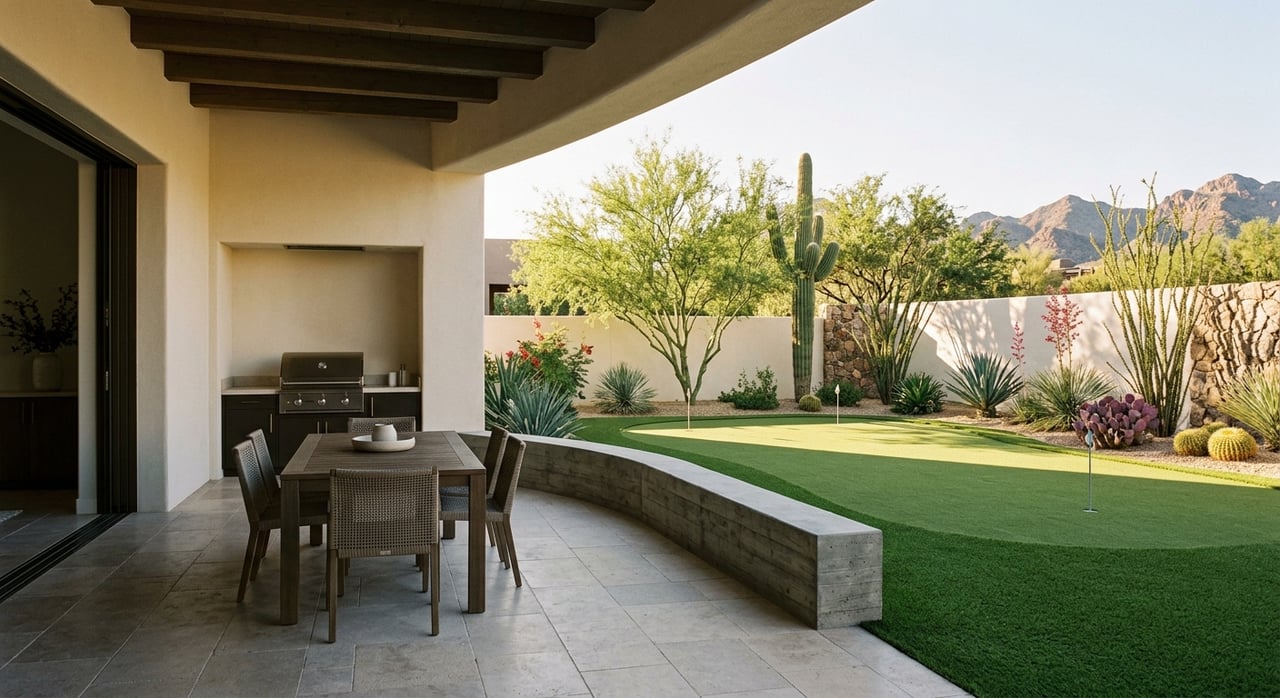
That said, outdoor living here is not only about hiking. It is also about patios, mountain-facing backyards, sunrise views, and the way homes are positioned to capture privacy and scenery.
A quick note on summer
The area’s sunshine is a major draw, but summer heat is a real part of life in Paradise Valley. Trail access at Camelback Mountain can close during excessive heat warnings, which is a useful reminder that daily routines often shift seasonally in the desert.
For many residents, that simply means earlier mornings, more indoor-outdoor balance, and thoughtful home features that support warm-weather living.
Community Services and Everyday Convenience
Even with its residential focus, Paradise Valley maintains important infrastructure and public services. The town’s Public Works Department manages streets, recreation paths, drainage, landscaping, and public facilities.
Key corridors like Lincoln Drive and Tatum Boulevard also receive streetscape and gateway design attention. That may sound technical, but it affects how the town looks and feels day to day, especially along the routes most residents and visitors use.
Schools and Local Context
Paradise Valley’s planning documents list a range of public and private school options within the local landscape, including Cherokee Elementary, Kiva Elementary, Cocopah Middle, Mohave Middle, Chaparral High, Saguaro High, Phoenix Country Day School, Jones Gordon School, Desert View Learning Center, and Montessori Academy. These schools are part of the town’s broader community fabric, alongside residential neighborhoods, resorts, places of worship, and other limited non-residential uses.
If schools are part of your move decision, it is helpful to verify attendance boundaries, admissions requirements, and program details directly with the relevant institutions.
What Buyers Should Know
For buyers, the biggest appeal is scarcity. The one-acre standard, built-out land base, and town-level commitment to preserving low-density residential character all support a market that feels protected and hard to replicate.
You are often evaluating more than square footage here. Lot size, privacy, mountain views, remodel potential, and proximity to resort amenities can all influence long-term value in a meaningful way.
Questions to ask as a buyer
- How important are privacy and lot size to your lifestyle?
- Do you want a move-in-ready home or a property with renovation potential?
- How much do views, architecture, and resort access matter in your decision?
- Are you comfortable with a car-dependent daily routine?
For a market like Paradise Valley, those questions usually matter just as much as the basic bedroom and bathroom count.
What Sellers Should Know
If you own a home in Paradise Valley, your property story is rarely generic. The strongest positioning often centers on features the town itself works to preserve: privacy, quiet streets, larger lots, mountain views, and a residential setting with limited commercial intrusion.
Because homes here tend to be unique, thoughtful preparation matters. In a luxury market, buyers are often comparing design quality, site orientation, outdoor living, and renovation level just as closely as they compare price.
Paradise Valley Trade-Offs to Consider
Every market has trade-offs, and Paradise Valley is no exception. The same characteristics that create privacy and scarcity can also mean fewer retail options inside town, greater reliance on driving, and a regulatory environment that closely monitors uses that may affect neighborhood character.
The town also continues to address short-term rental impacts, with goals tied to protecting quiet neighborhoods and maintaining an attractive residential lifestyle, according to its planning documents and business resources. If flexibility of use is important to you, that is worth understanding upfront.
Is Paradise Valley Right for You?
Paradise Valley tends to fit buyers and homeowners who value space, discretion, scenic beauty, and a highly residential setting in the middle of the metro. It is less about convenience-packed density and more about protected character, custom homes, and a calm daily pace.
If that sounds like the lifestyle you want, the next step is understanding which properties, streets, and view corridors best align with your goals. At Daniel Mark Group, we bring a luxury and investment-minded perspective to buying and selling in Paradise Valley, helping you evaluate not just the home, but the long-term value behind it.
FAQs
What is daily life like in Paradise Valley, Arizona?
- Daily life in Paradise Valley is generally quiet, private, scenic, and car-dependent, with larger residential lots, mountain views, and close access to resort amenities.
What types of homes are common in Paradise Valley?
- Paradise Valley is known for custom single-family homes on large lots, with a wide mix of architectural styles rather than tract-home development.
Is Paradise Valley walkable for shopping and dining?
- Not in the typical mixed-use sense. The town’s planning documents say the automobile is the primary mode of transportation, and commercial uses are intentionally limited.
Why is Paradise Valley considered a unique housing market?
- It stands out because of its one-acre lot standard, limited undeveloped land, high owner-occupancy, and strong town policies focused on preserving low-density residential character.
Are there resorts and outdoor amenities near Paradise Valley homes?
- Yes. Paradise Valley includes several notable resorts, and it sits next to Camelback Mountain and other major desert scenery that shape the local lifestyle.