If you assume every Paradise Valley luxury home is already polished, modern, and move-in ready, you could miss some of the market’s best opportunities. In a town known for prestige, large parcels, and long-term ownership, the real upside often hides behind dated layouts, aging systems, and underused lots. If you want to buy with both lifestyle and long-term value in mind, knowing how to spot renovation potential can give you a real edge. Let’s dive in.
Why Paradise Valley Creates Renovation Opportunity
Paradise Valley is a small, high-value market with a stable ownership base. The Census Bureau estimates a 2025 population of 12,251, a 95.0% owner-occupied rate, and median owner-occupied home values above $2,000,000. That kind of stability often means homes stay in the same hands for years, which can leave design choices and systems behind current buyer expectations.
The town’s history also matters. Paradise Valley incorporated in 1961, and many early homes were modest ranch-style properties built on one- to five-acre lots. That means a premium address does not always come with a modern floor plan, updated infrastructure, or the indoor-outdoor flow many luxury buyers want today.
Current pricing reinforces why disciplined evaluation matters. Directional market benchmarks place average home value around $3.50 million and median list or sale pricing near $4.6 million. In a market at that level, the difference between a smart renovation candidate and a costly misread can be significant.
Start With the Parcel
In Paradise Valley, the lot often matters as much as the house. A home may be dated, but if the parcel offers strong fundamentals like useful lot size, favorable siting, and an appealing setting, the renovation story can still be compelling. In many cases, you are really buying the land and the bones first, then deciding how much functional improvement the existing structure can support.
This is especially important because Paradise Valley zoning is not loose or casual. Residential districts have large lot minimums, meaningful setbacks, and height limits that vary by lot size. If your vision depends on an expansion, a taller profile, or a more dramatic reconfiguration, the parcel may shape what is realistic.
The strongest opportunities are often homes that feel underbuilt relative to the lot. In other words, the property already has the address, land value, and setting, but the house does not yet make full use of that potential.
Look for Floor Plan Upside
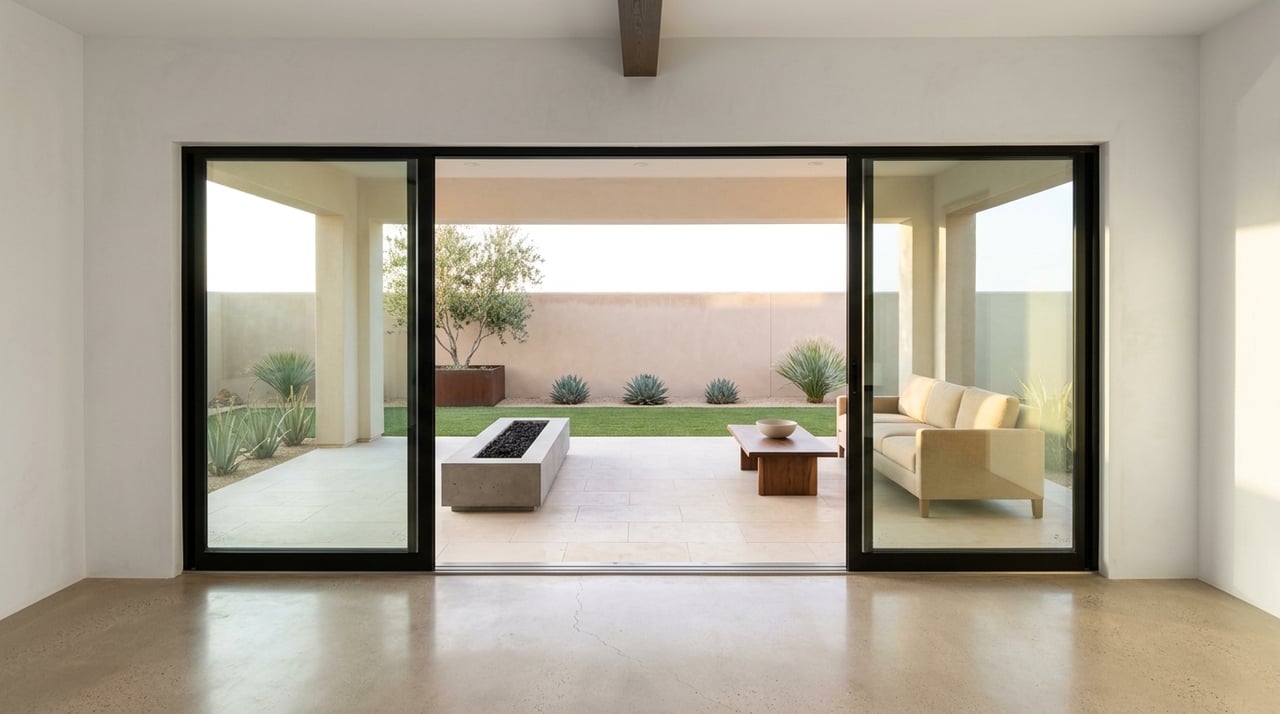
Not every renovation candidate needs a major addition. In Paradise Valley, some of the best value comes from improving circulation and livability within the existing footprint. That can mean opening kitchen and living spaces, creating better bedroom separation, or improving the connection to patios, pools, and outdoor entertaining areas.
A dated house with a strong exterior setting can be more attractive than a recently updated home on an inferior parcel. If the floor plan feels closed off, awkward, or out of step with how you want to live, that may be fixable without forcing the project into a full rebuild. The key is to identify whether the layout problem is mostly cosmetic and functional, or whether it requires structural changes that trigger a more complex process.
As you walk a property, ask simple but important questions:
- Can the main living areas connect more naturally?
- Is there enough separation between primary and guest spaces?
- Does the home take advantage of views and light?
- Can indoor-outdoor flow improve without major expansion?
- Does the current footprint support a more modern daily routine?
Pay Close Attention to Systems
In luxury renovation, hidden costs often sit behind the walls and below the surface. A home that looks like it only needs cosmetic updates may also need work on the roof, HVAC, plumbing, electrical service, windows, pool equipment, or site utilities. Those items can quickly change the financial picture.
Paradise Valley also has project requirements that can extend beyond interior finishes. Depending on the scope, a renovation may involve sanitary sewer considerations, undergrounding electrical and electronic wires, grading and drainage, retention, fire protection, and certified finish-floor elevations. That is one reason careful due diligence matters so much before you underwrite any value-add story.
For buyers, this means inspections should go deeper than countertops and cabinetry. You want a clear understanding of which systems are original, which have been replaced, and whether the project could trigger additional site or utility work.
Don’t Underestimate Site Conditions
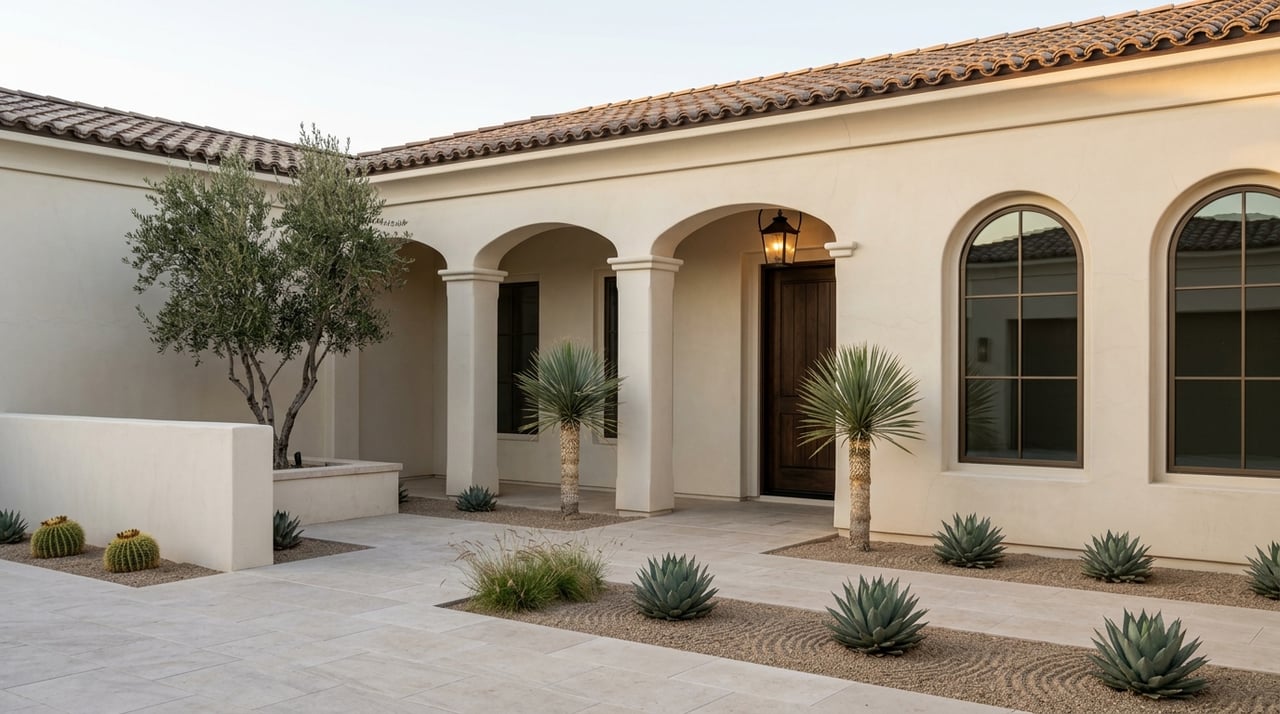
Curb appeal in Paradise Valley is about more than a fresh coat of paint and desert landscaping. Site walls, gates, retaining walls, grading, drainage, lighting, and the arrival sequence all affect how a home lives and how it is perceived. A house that looks merely tired from the street may still have meaningful upside if the site can support a cleaner and more intentional presentation.
This matters even more on lots with hillside characteristics or more complex topography. The Hillside Building Committee reviews issues such as land disturbance, height, lighting, building materials, grading, drainage, remodels, additions, and other site-related changes. If a property sits on a hillside or may need additional review, timing and design flexibility can change.
That does not mean you should avoid these homes. It simply means the best renovation decisions in Paradise Valley are usually made with the lot, topography, and approval path in mind from day one.
Compare by Micro-Market, Not Just Town Average
Citywide averages can be useful for context, but they are not enough for pricing a renovation opportunity in Paradise Valley. Lot size, street character, view corridors, hillside setting, and whether nearby sales were remodels or rebuilds can all affect the right comp set. Two homes with similar square footage may have very different ceilings based on parcel characteristics and what the zoning envelope allows.
A better approach is to compare the property against renovated homes on similar lots in the same micro-market. Then adjust for views, siting, design quality, and whether surrounding sales reflect new construction rather than renovated resale inventory. This is where investment-minded analysis becomes especially valuable in a luxury market.
Know the Difference Between a Remodel and a Bigger Project
In Paradise Valley, a renovation can quickly start to function more like a small development project. The town requires plan review for all building permit applications, and most residential projects are reviewed in-house. Initial review, and any subsequent review, may take up to 30 business days, and approved plans typically need another 3 to 5 business days for processing.
That means preconstruction can take several weeks before demolition or framing begins. If you are buying a home because you plan to renovate right away, your timeline should account for this front-end process.
It is also important to understand how the town classifies scope. A demolition permit is required when more than 12 linear feet of wall or fence, or more than 12 square feet of roof structure, will be removed. Separate applications may also apply for work involving fence or site walls, electrical, mechanical, plumbing, and pool or spa elements.
Plan Around Local Construction Rules
Luxury homeowners often focus on design first, but schedule discipline matters just as much. Paradise Valley regulates construction hours, and heavy equipment is prohibited on Saturdays, Sundays, and legal holidays. Summer hours are longer, but still controlled by the town.
For you, that means project duration is not just about contractor speed. It is also about local operating rules, site complexity, and how efficiently the team moves through review and inspection milestones.
Permits are valid for 180 days, and an inspection is required within each 180-day window to keep a permit active. This is another reason organized planning and steady execution matter in this market.
A Simple Checklist for Buyers
If you are evaluating a Paradise Valley luxury home for renovation potential, use this framework to stay grounded:
- Start with the lot. Make sure the parcel supports your vision before you focus on finishes.
- Study the footprint. Look for layout improvements that can add value without forcing a major expansion.
- Inspect the systems. Ask about roof, HVAC, plumbing, electrical, drainage, pool equipment, and utilities.
- Check hillside and site factors. Additional review can affect timing, design, and budget.
- Use the right comps. Compare against renovated or new homes on similar parcels, not broad averages alone.
- Understand the permit path. Plan review and processing timelines should shape your expectations from the start.
- Watch for older notable homes. Architecturally significant properties may deserve extra diligence, especially if they are more than 50 years old.
Why This Matters in a Luxury Market
In Paradise Valley, renovation upside usually does not come from simply replacing finishes. It more often comes from buying the right combination of land, structure, and location, then improving function, systems, and presentation without fighting the town’s rules. That is a very different strategy from chasing a house that looks cheap on the surface but carries difficult site or permitting constraints.
For luxury buyers, this approach can protect both lifestyle and resale potential. You are not just asking whether a home can look better. You are asking whether the property can support smarter value creation over time.
If you are weighing a Paradise Valley purchase with renovation potential, the most useful guidance usually comes from a team that can look at the property through both a brokerage lens and an operator’s lens. That combination helps you move beyond surface-level impressions and make decisions with more clarity.
If you want help evaluating a Paradise Valley luxury home for layout potential, site constraints, and long-term value, connect with Daniel Mark Group.
FAQs
What makes a Paradise Valley luxury home a strong renovation candidate?
- A strong candidate usually has a desirable lot, solid bones, and a dated layout or systems package that can be improved without fighting zoning, hillside review, or major site limitations.
Why does the lot matter so much in Paradise Valley real estate?
- The lot matters because Paradise Valley zoning includes large lot minimums, setbacks, and height limits, so the parcel often determines how much meaningful improvement is feasible.
How long can permit review take for a Paradise Valley remodel?
- Paradise Valley states that initial plan review, and any subsequent review, may take up to 30 business days, with approved plans typically needing another 3 to 5 business days for processing.
What hidden costs should buyers check before renovating a Paradise Valley home?
- Buyers should closely inspect roof, HVAC, plumbing, electrical service, windows, pool equipment, drainage, sewer-related issues, utilities, and retaining or grading conditions.
Do hillside lots affect Paradise Valley renovation plans?
- Yes, hillside lots can add review requirements and design constraints because the Hillside Building Committee may evaluate land disturbance, height, lighting, grading, drainage, and other project elements.
Should buyers use citywide averages to value Paradise Valley renovation opportunities?
- No, buyers should benchmark against similar renovated or new homes in the same micro-market because lot size, views, street character, and hillside setting can materially affect value.