If you are shopping for a luxury home in Paradise Valley, architecture is never just about curb appeal. In this market, a home’s style affects how it lives, how it fits the lot, and how much thought you may need to give to future updates. Understanding those differences can help you buy with more confidence and spot long-term value more clearly. Let’s dive in.
Why Paradise Valley Architecture Feels Distinct
Paradise Valley’s look starts with the land itself. The town developed as a low-density residential community with large parcels, and its history includes a long-standing focus on preserving a semi-rural character, scenic views, mountain ridgelines, and open space.
That planning framework helps explain why luxury homes here often feel more expansive and site-specific than in other parts of metro Phoenix. Paradise Valley also supports an eclectic mix of architecture, as long as it fits the surrounding environmental setting.
For you as a buyer or seller, that means style and setting are closely connected. A home in Paradise Valley is often shaped as much by lot position, views, grading, and hillside conditions as by the owner’s design preferences.
How Hillside Rules Shape Design
In Paradise Valley, hillside properties come with added review and design considerations. The town’s Hillside Building Committee reviews items such as land disturbance, height, lighting, building materials, grading, and drainage.
Even changes that seem routine can matter on hillside lots. The town notes that roof materials, repainting, tile replacement, windows, lights, and landscaping may require review on hillside properties.
This is one reason luxury design in Paradise Valley tends to be very intentional. On a flat estate lot, a style may have more flexibility. On a ridge or sloped parcel, the same style may need to respond more carefully to height limits, stormwater retention, screening, and landscaping rules.
Contemporary Homes in Paradise Valley
What defines contemporary style
Contemporary architecture is best understood as an evolving current style rather than one fixed historical movement. In practical terms, it usually features clean lines, open floor plans, minimal ornament, large areas of glass, and strong natural light.
In Paradise Valley, contemporary luxury homes often add high-end features that support that clean, open feel. Recent local examples include skylights, plaster and stone finishes, hidden-appliance kitchens, split-level layouts, guest casitas, and resort-style pools and spas.
How contemporary homes live
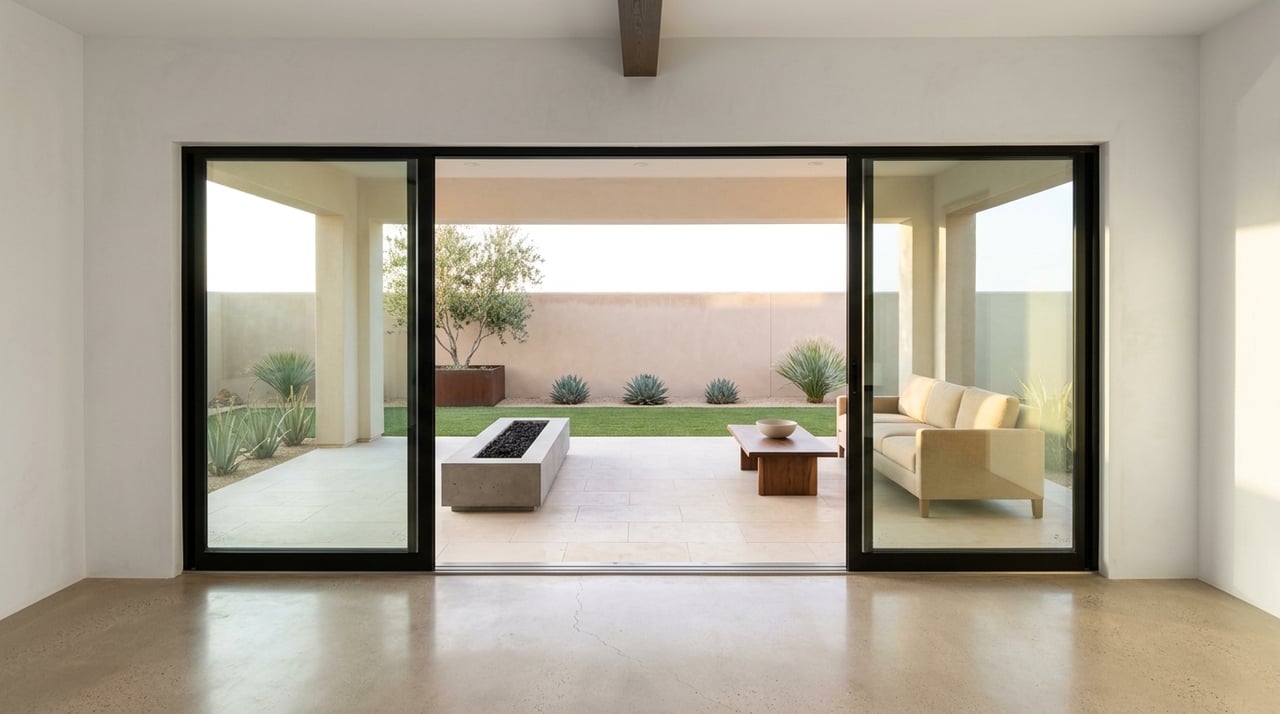
If you like open, view-driven spaces, contemporary homes often deliver that well. Many are designed with long sight lines, large great rooms, and direct connections to patios and pools.
These homes often separate the primary suite from guest areas and place a strong focus on indoor-outdoor living. Wide glass openings, private patios, balconies, and mountain-facing outdoor spaces are common because the landscape is treated as part of the living experience.
What to think about before you buy
Glass-forward design can be striking, but performance matters in the desert. In a hot climate, buyers should pay close attention to glazing quality, shading strategy, roof efficiency, and HVAC performance.
The U.S. Department of Energy notes that skylights can add unwanted summer heat, exterior shades are the most effective way to reduce solar heat gain, and cool roofs offer strong benefits in hot climates. For you, that means a beautiful design should also be evaluated for comfort and operating efficiency.
Desert Modern and Warm Modern Homes
How desert modern differs from contemporary
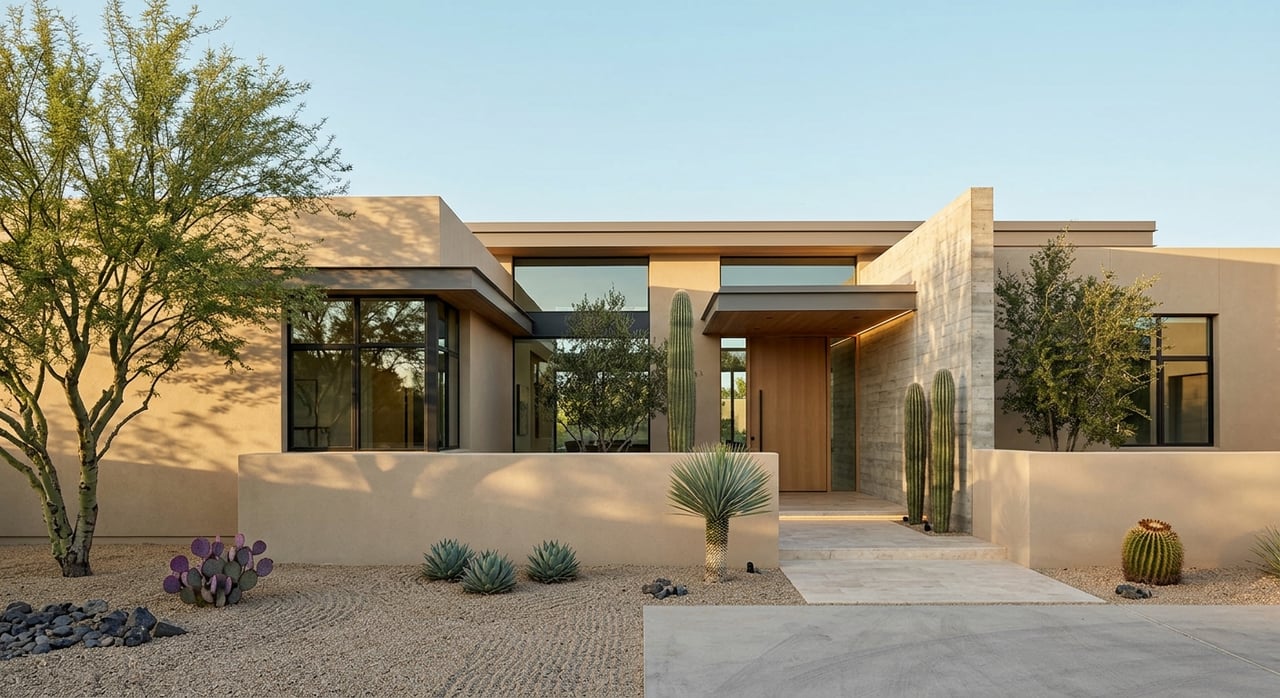
Desert modern is not exactly the same as contemporary. In Paradise Valley and the broader Phoenix area, it is often contemporary architecture adapted to the Sonoran Desert with warmer materials and a stronger environmental response.
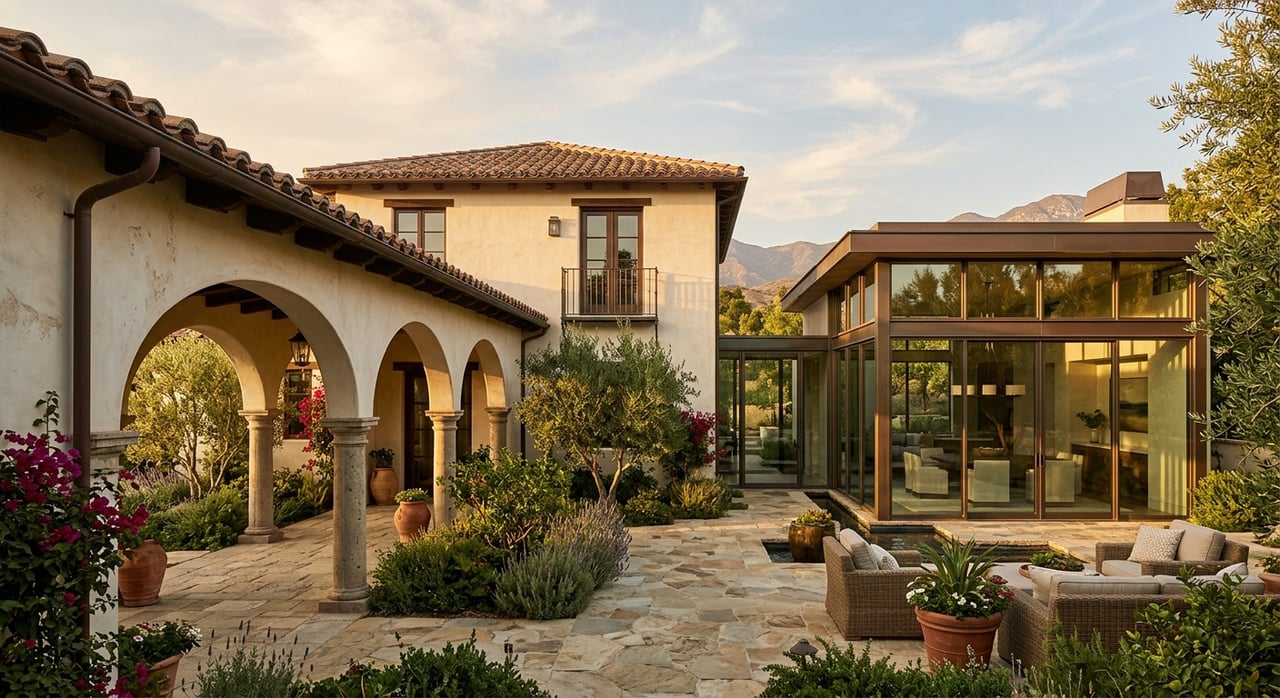
That usually shows up through a softer palette and more natural textures. You may see white oak, limewash or plaster, natural stone, rammed earth, copper, and large glass planes used together to create a home that feels modern without feeling cold.
Why this style fits Paradise Valley
Desert modern works especially well in Paradise Valley because it reflects the area’s design history and natural setting. Regional desert design has been shaped by figures such as Frank Lloyd Wright and Paolo Soleri, and Paradise Valley itself includes notable architectural ties, including Wright’s Price House, the largest house he built in Arizona.
This background helps explain why so many luxury buyers are drawn to homes that connect modern form with desert responsiveness. The style feels current, but it also feels rooted in place.
What buyers often like about warm modern homes
Many buyers are drawn to desert modern because it balances drama with livability. You still get open plans, large windows, and strong indoor-outdoor flow, but the material palette often makes the home feel more grounded and inviting.
From an investment-minded perspective, this style can also appeal to a wide luxury audience in Paradise Valley. It tends to align with current preferences for clean design, natural finishes, and seamless outdoor living.
Santa Fe-Inspired and Pueblo Revival Homes
Key features of the style
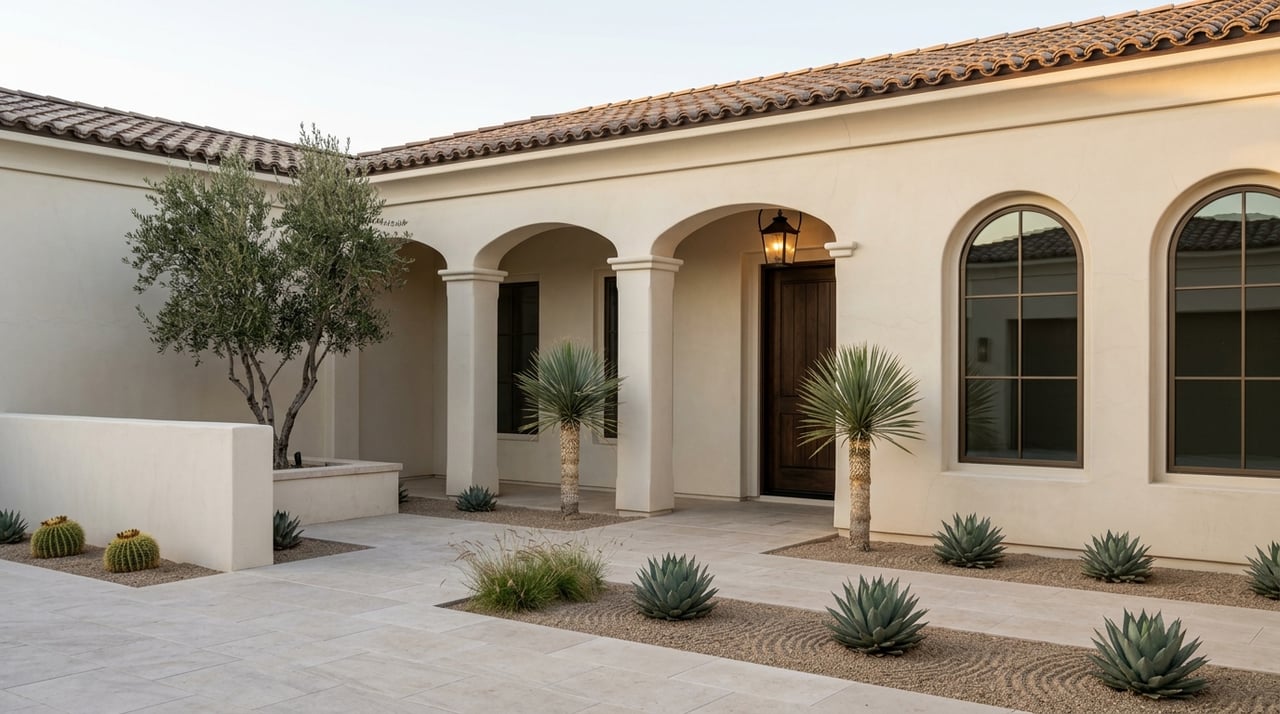
Santa Fe-inspired, Pueblo Revival, and Territorial homes bring a different character to Paradise Valley’s luxury market. According to the National Park Service, Pueblo Revival commonly includes flat roofs with parapeted walls, gently rounded walls, stucco exteriors, and vigas.
These homes do not feel out of place in Paradise Valley. The town’s historic record includes early adobe buildings and later ranch homes on large parcels, giving this Southwestern style a meaningful local context.
How the floor plan usually feels
Compared with contemporary homes, Santa Fe-inspired estates often feel more enclosed and courtyard-oriented. Their design language supports protected patios, fireplace-centered gathering areas, and outdoor spaces that feel sheltered from sun and wind.
That does not mean they lack luxury outdoor amenities. In Paradise Valley, many still include guest wings, outdoor kitchens, pools, and generous entertaining spaces. The bigger difference is how the outdoor living is framed and experienced.
Maintenance and remodel considerations
For this style, maintenance details matter. Stucco condition, parapet and roof drainage, paint colors, and exterior detailing can all play a role in how well the home performs and how easily it can be updated.
That is especially important when a property is on a hillside lot. Paradise Valley’s review guide makes clear that changes to items like roof materials, repainting, windows, lights, and landscaping may require review, so even cosmetic upgrades can become part of a broader planning conversation.
Site Often Matters as Much as Style
In Paradise Valley, the lot can shape the architecture just as much as the design inspiration. A contemporary home on a flat parcel may read as broad and horizontal, while a similar home on a sloped site may need more careful massing, grading, and drainage planning.
The same is true for Santa Fe-inspired and desert modern homes. Views, ridge lines, and hillside limits can affect everything from window placement to roof form to where outdoor living spaces work best.
If you are evaluating a luxury property here, it helps to look beyond the visual style alone. Pay attention to how the home sits on the lot, how it captures views, and how well its design appears to respond to Paradise Valley’s site conditions.
Climate and Upkeep Matter in Luxury Ownership
Paradise Valley’s climate adds another layer to architecture decisions. The Arizona monsoon can bring severe thunderstorms, flash floods, dust storms, lightning, and extreme heat, which makes drainage, roof condition, retaining walls, and landscape runoff important parts of homeownership.
This is especially relevant on hillside properties, where stormwater and grading issues can have a bigger impact. Outdoor furnishings and exterior materials also need to stand up to strong sun and seasonal weather.
For buyers, this means a home tour should go beyond finishes and staging. It is smart to think about how the property may perform over time, particularly if you are considering renovations, added square footage, or exterior updates.
What This Means for Buyers and Sellers
If you are buying in Paradise Valley, understanding the difference between contemporary, desert modern, and Santa Fe-inspired homes can help you match your lifestyle with the right property. It can also help you evaluate future maintenance, renovation potential, and resale appeal with a clearer lens.
If you are selling, your home’s architecture should shape how it is positioned in the market. A glass-forward contemporary home, a warm modern estate, and a Santa Fe-inspired property each appeal to buyers for different reasons, and those reasons should be reflected in pricing, presentation, and marketing.
At Daniel Mark Group, we view luxury homes through both a lifestyle and value lens. In a market like Paradise Valley, that kind of disciplined evaluation matters because the best decisions come from understanding not just what looks impressive, but what fits the lot, the climate, and the long-term opportunity.
Ready to evaluate a Paradise Valley home with a sharper eye for design, site, and long-term value? Connect with Daniel Mark Group for luxury buying or selling guidance grounded in local market knowledge and an investment-minded approach.
FAQs
What are the most common luxury home styles in Paradise Valley?
- The main styles highlighted in Paradise Valley are contemporary, desert modern or warm modern, and Santa Fe-inspired or Pueblo Revival homes.
How is desert modern different from contemporary in Paradise Valley?
- In Paradise Valley, desert modern is usually contemporary design adapted to the Sonoran Desert with warmer materials, more natural textures, and a stronger connection to the outdoor setting.
Do hillside rules affect luxury home design in Paradise Valley?
- Yes. Hillside properties may face added review related to land disturbance, height, lighting, materials, grading, drainage, and some exterior changes, which can shape both design and future remodel plans.
Are Santa Fe-style homes harder to maintain in Paradise Valley?
- They can require closer attention to stucco, parapets, roof drainage, paint, and exterior detailing, especially when updates are planned or the home is on a hillside parcel.
What should buyers look for in a contemporary Paradise Valley home?
- Buyers should look at both design and performance, including glazing quality, shade strategy, roof efficiency, HVAC performance, indoor-outdoor flow, and how the home is positioned for views and site conditions.
Does lot type matter as much as architecture in Paradise Valley?
- Often, yes. In Paradise Valley, flat lots, ridge lots, and sloped parcels can all shape how a home’s style is expressed and how it functions over time.